
Insurance
Does Homeowners Insurance Cover Water Damage in Texas?
By Hydrosphere Restoration ProsUpdated 6 min read

The short answer
Often, yes, when the water damage is sudden and accidental, like a burst supply line or a water heater tank that splits. Most Texas homeowners policies exclude gradual leaks, poor maintenance and rising floodwater, and many limit sewer backup and mold. Your policy form and endorsements decide, so read your declarations page. General information, not legal advice.
The Short Rule: Sudden and Accidental
Most Texas homeowners policies are built around sudden and accidental water: a supply line bursts, a washer hose splits, a water heater tank fails. Damage from water that leaked slowly over weeks or months, or from a lack of maintenance, is often excluded as gradual or repeated seepage. Floodwater from outside generally belongs to a separate policy altogether.
The table shows how common Katy-area situations often play out. Treat it as a starting point for the conversation with your insurer, not an answer for your specific claim.
| Situation | Often | Why |
|---|---|---|
| Supply line or washer hose bursts | Covered | Sudden and accidental discharge from plumbing or an appliance |
| Attic water heater tank fails | Water damage often covered; the heater itself usually not | The resulting damage is sudden; a worn-out tank is a maintenance item |
| Pipe freezes and bursts | Often covered | Some policies ask whether reasonable heat was kept in the home |
| Slow drip under a sink for months | Often denied | Treated as gradual or repeated seepage |
| Rain through a storm-damaged roof | Often covered | Wind or hail created the opening first |
| Rising floodwater | Generally excluded | Handled by flood insurance (NFIP or private) |
| Sewer or drain backup | Often needs an endorsement | Many base policies exclude it |
| Mold | Often limited or capped | Many Texas policies restrict mold coverage |
Your Policy Form Matters: HO-3, HO-A and Others
Texas homeowners policies aren’t all alike. Many carriers now write an HO-3 style policy, which generally covers the house against any cause of loss that isn’t specifically excluded. Some older Texas HO-A policies cover far less; read your declarations to see which form you have.
The declarations page also lists your deductibles (some policies carry a separate wind and hail deductible) and any endorsements you bought, such as water backup or added mold coverage. Pull it up before you talk to your adjuster, so you know what you’re working with.
Flood Is a Separate Policy
Water that rises from outside, such as an overflowing creek, street flooding or a reservoir pool backing up, is generally excluded from standard homeowners policies. That damage is handled by flood insurance through the National Flood Insurance Program (NFIP) or a private flood carrier. NFIP policies generally have a 30-day waiting period before coverage starts, so buying one when a storm is already in the Gulf is usually too late.
Katy learned this during Hurricane Harvey in 2017, when about 685 homes inside the city flooded and the Barker Reservoir pool backed into all 721 homes in Canyon Gate. To check your own address, use the Harris County Flood Control District or Fort Bend County flood maps and the FEMA Flood Map Service Center. If floodwater has already come in, our flood damage cleanup page explains what the cleanup involves and why it’s usually a separate claim.
Sewer Backup and Mold: Read the Limits
A sewer or drain backup is often excluded unless you added a water backup endorsement, and that endorsement usually has its own dollar limit. If sewage is in the house, health comes first; our sewage backup cleanup page describes what safe cleanup looks like.
Mold coverage in Texas policies is often limited, capped or tied to a covered water loss. Mold that grows because a covered leak wasn’t dried promptly may be treated differently from mold caused by a long-term leak. One more reason to get drying started right away.
Your Duty to Mitigate
Nearly every policy says you must take reasonable steps to protect the property from further damage. In practice that means shutting off the water, getting standing water out and starting drying, even before the adjuster visits. Damage that grows because nothing was done can be denied.
Reasonable mitigation costs are often part of the claim, so keep every receipt. For a leak or a burst line, our guide to burst pipe and leak water damage walks through the first steps.
Documentation That Helps Your Claim
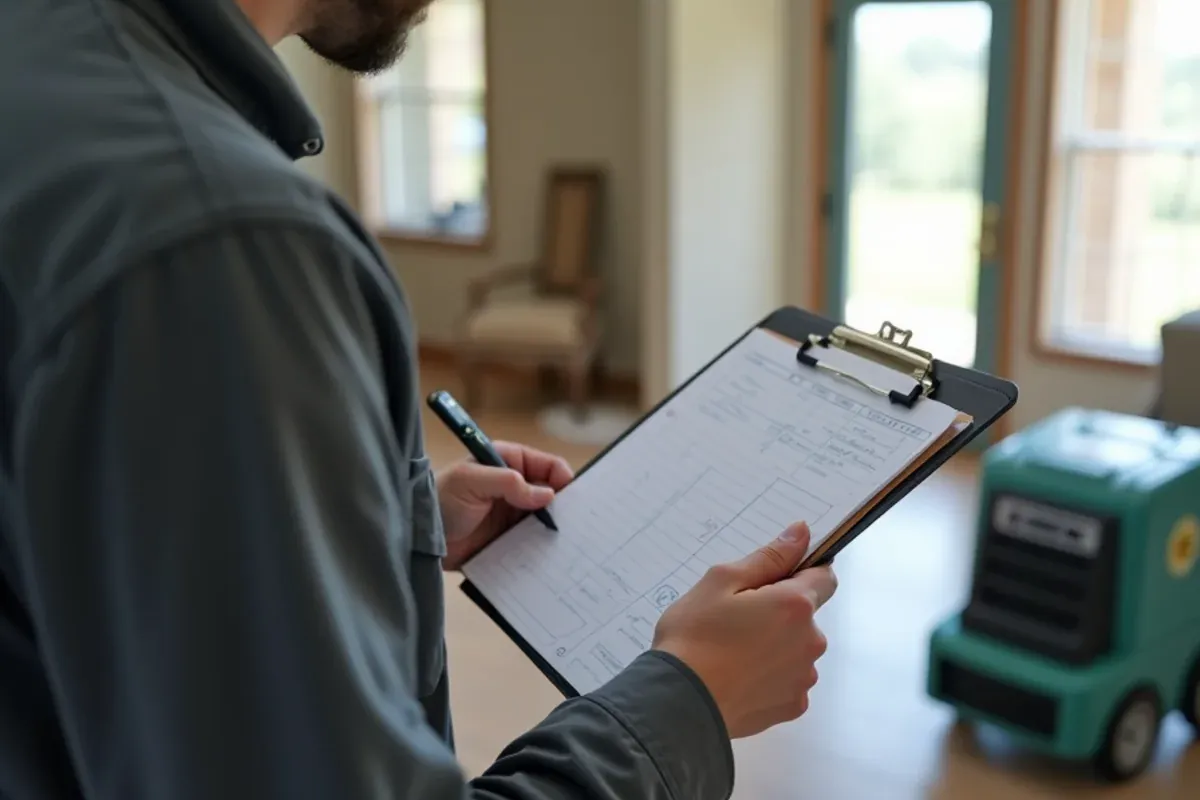
- 1Photos and video of the source, the water line and every wet room, taken before anything is removed.
- 2The failed part, if a plumber replaced it. Keep the split hose or cracked fitting.
- 3Moisture readings and a moisture map from the first visit.
- 4Daily drying logs showing readings and the equipment on site.
- 5An itemized scope of work with measurements.
- 6A contents list with descriptions, approximate ages and photos.
- 7A log of every call: date, time, name and claim number.
What a Restoration Company Can and Can’t Do in Texas
A restoration crew can document the damage, explain the scope and share readings and photos with your adjuster. Texas law draws two firm lines. A contractor can’t act as a public adjuster on a job it is repairing (Insurance Code section 4102.163), and a contractor can’t waive, pay or rebate your deductible (Business and Commerce Code section 27.02).
So be wary of anyone who promises your claim will be approved, offers to negotiate with your insurer for you or says you’ll pay nothing out of pocket. Your carrier decides coverage. If you want someone to represent you on the claim, a licensed public adjuster or an attorney is a separate hire.
Older Homes, Slab Leaks and the Gradual Question
Gradual-leak exclusions come up most often in older housing. In Mission Bend, many slab homes date from the early 1980s, and water lines under the slab or inside walls can leak quietly for a long time before the carpet feels damp. An insurer may ask how long a leak ran, so note when you first saw signs and keep any older photos.
Some policies pay to tear out and replace part of a floor to reach a covered plumbing leak, while the repair to the pipe itself may not be covered. Ask your adjuster how your policy treats access and repair.
If You Disagree With the Insurer
Ask for the decision, and the policy language behind it, in writing. Many policies include an appraisal process for disputes over the amount of a loss. The Texas Department of Insurance (TDI) runs a consumer help line, takes complaints against insurers and publishes plain-language guides to homeowners claims.
For advice about your own claim, talk to a licensed public adjuster or a Texas attorney. This article is general information, not legal advice.
Start With Drying, Then Work the Claim
Whatever your policy says, the damage won’t wait for the answer. Stop the water, document it, report the claim and get drying started. Call Hydrosphere Restoration Pros at (831) 303-1192, 24/7, for an insured crew that provides photos, moisture readings and an itemized scope you can share with your adjuster.
From the job site
How water claims go sideways in practice
The phrase that decides most disputed water claims is not flood or mold; it is some version of continuous or repeated seepage. A pinhole leak behind a shower wall or a slow drip from an attic drain pan can run for weeks before anyone sees a stain. The damage is discovered suddenly, but the leak was not sudden, and many policies treat that differently. The Texas Attorney General’s consumer guidance also notes that the HO-A policy form found in Texas covers far less than broader forms, and that many policies exclude or cap mold.
That is why the first records matter so much. Clear evidence of when the leak started and how fast it ran helps an adjuster separate a sudden break from long-term seepage.
- Photograph the failed part and keep it; a split fitting or burst hose shows a sudden failure.
- Note when you first saw water, and save a smart-meter or water-bill spike that shows when usage jumped.
- Ask whether your policy pays to open a wall or floor to reach a covered leak; that tear-out is often treated separately from the pipe repair itself.
- Keep receipts for towels, fans and emergency plumbing; reasonable steps to limit damage are part of your duties after a loss.
- If you disagree with a decision, the Texas Department of Insurance consumer help line is the place to ask about your options.
Related questions
Is the pipe repair itself covered, or only the damage it caused?
Will my claim be denied if cleanup starts before the adjuster comes?
Can a restoration company handle my insurance claim for me?
Written by the Hydrosphere Restoration Pros team for homeowners in Katy and nearby communities. General information, not legal, insurance or engineering advice: your policy, the Texas Department of Insurance and licensed professionals have the final word on your situation. Last reviewed September 2026.