
Insurance
Flood Insurance vs Homeowners Insurance Near the Barker Reservoir and the Brazos
By Hydrosphere Restoration ProsUpdated 6 min read
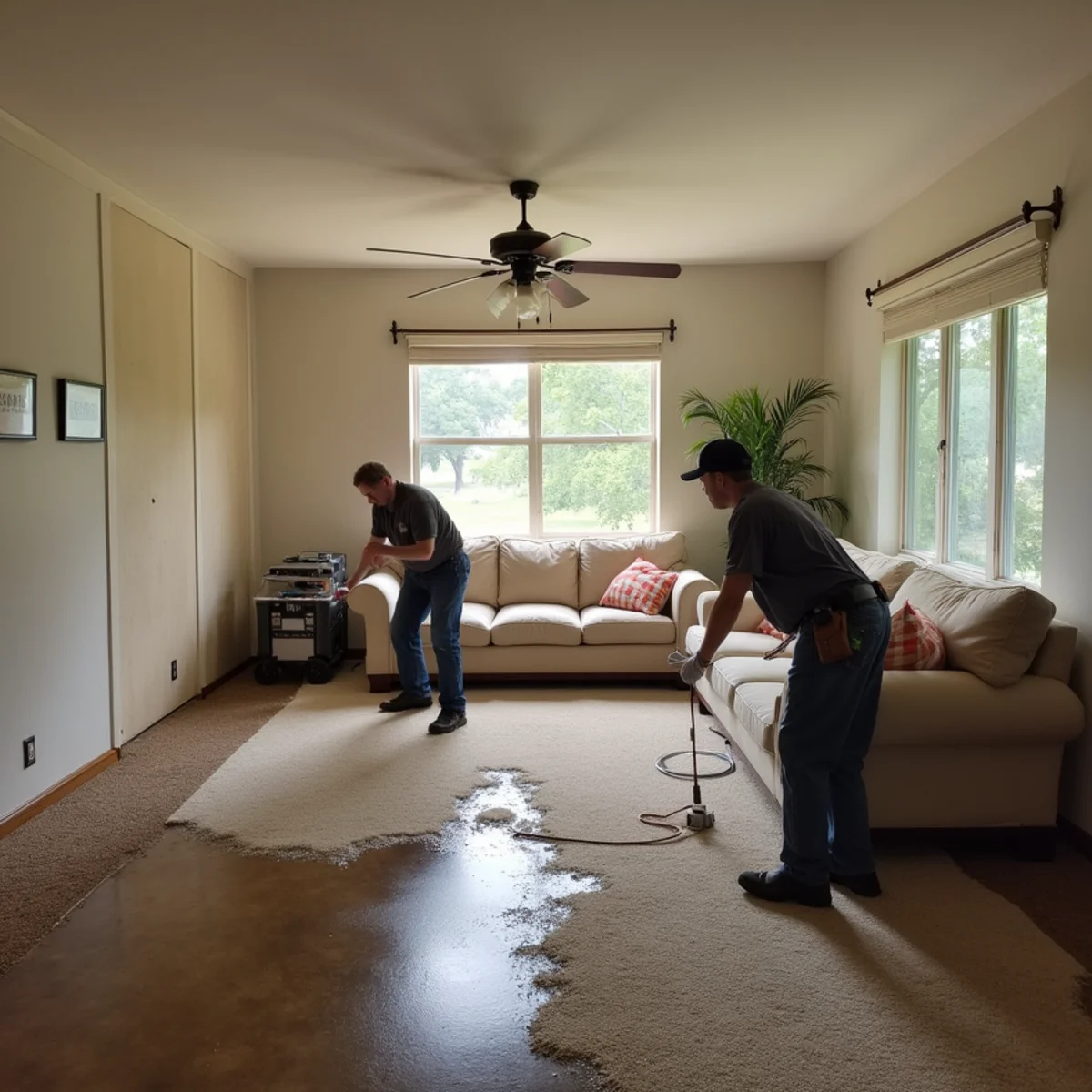
The short answer
Standard homeowners insurance generally does not cover rising water, whether it comes from a creek, the Brazos River or the Barker Reservoir pool. That loss needs a separate flood policy through the NFIP or a private insurer, and NFIP policies usually have a 30-day waiting period. Homeowners policies typically respond to storm-created roof openings and burst pipes.
Two policies, two kinds of water
Insurance draws the line by where the water came from. Water that rises and spreads across normally dry land, from an overflowing bayou, a river, a reservoir pool or heavy rain with nowhere to drain, is flood. Standard homeowners policies generally exclude it. Water that comes down or out, through a storm-damaged roof, a burst pipe or a failed appliance, is usually a homeowners matter.
Many Katy-area households learned the difference in August 2017. Hurricane Harvey dropped days of rain on the Addicks and Barker watersheds, and homes that had never flooded took water from rising pools and creeks. Owners without flood coverage found their homeowners policy did not apply to that water.
| Loss type | Policy that typically responds | Notes |
|---|---|---|
| Creek, bayou or river water entering the house | Flood policy (NFIP or private) | Generally excluded by homeowners policies. |
| Barker or Addicks Reservoir pool backing into homes | Flood policy | Treated as rising water, not a homeowners loss. |
| Heavy rain pooling around the house and seeping in | Flood policy, if the event meets its flood definition | Surface water is generally excluded by homeowners policies. |
| Wind-driven rain through a roof or window opening the storm created | Homeowners policy | A separate wind or hail deductible may apply. |
| Burst pipe or water heater failure | Homeowners policy | Sudden leaks are usually covered; long-term seepage often is not. |
| Sewer backup not caused by a flood | Homeowners, only with a sewer or water backup endorsement | Endorsements carry their own limit. |
| Furniture, clothing and electronics soaked by floodwater | Flood policy contents coverage | Bought separately from building coverage. |
| Hotel or rent while the home is repaired | Homeowners additional living expense, for covered losses | NFIP policies generally do not pay living expenses. |
How NFIP flood insurance works
- Waiting period. A new NFIP policy generally takes effect 30 days after purchase. Exceptions exist, for example when coverage is required in connection with a mortgage loan closing, or after certain flood map changes.
- Building coverage for a residential home goes up to $250,000 and covers the structure: walls, floors, built-in appliances, the water heater and HVAC equipment.
- Contents coverage goes up to $100,000 and is a separate line. If you didn’t buy it, furniture and belongings are not covered.
- Where to buy. NFIP policies are sold through insurance agents, often the same agent who writes your homeowners policy. A lender may require one in a mapped high-risk zone, but coverage is available outside those zones too.
Private flood policies are the other route. Some offer higher limits, living expenses or shorter waiting periods; others have narrower terms. Compare the actual policy language, not just the premium.
The Barker Reservoir: a flood pool behind a dry dam
Barker Reservoir, on the east side of the Katy area, is a flood-control reservoir that stays dry most of the year. In a large storm the dam holds water back to protect neighborhoods downstream along Buffalo Bayou, and that water spreads upstream across the land behind the dam. Some subdivisions were built on ground inside the reservoir’s maximum pool area, beyond the government-owned land, where they can flood when the pool rises high enough.
Harvey showed what that means. The pool backed into Canyon Gate, where all 721 homes flooded, and into nearby streets. Homes behind the dam can take water without any creek overflowing next to them, which is why owners there were often caught off guard. Our Cinco Ranch water damage page covers the storm and leak risks in the neighborhoods along the reservoir’s western edge.
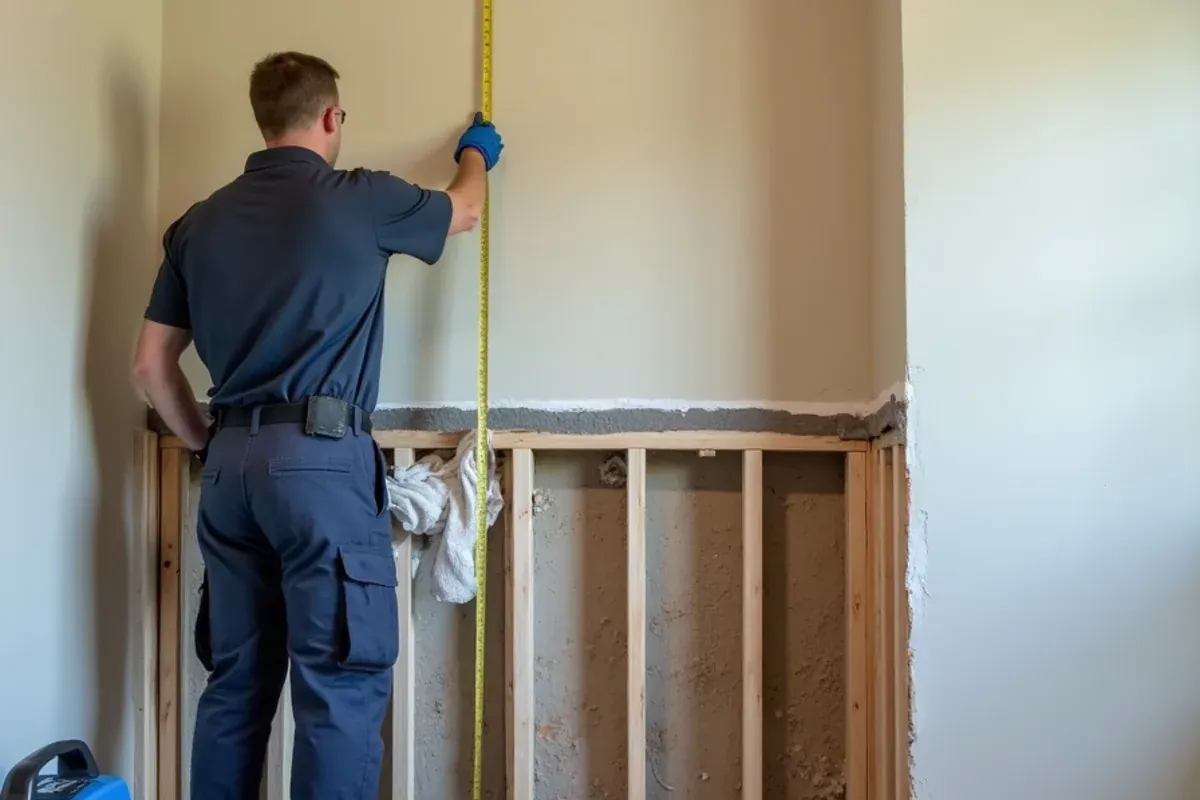
The Brazos River at Richmond
South of Katy, the Brazos wraps around historic Richmond. In May 2016 the river crested at about 54 feet at Richmond, one of the highest levels on record there, and it rose into major flood stage again during Harvey in 2017. River water can arrive days after the rain stops upstream, and by the time a crest is forecast, a new NFIP policy would generally still be inside its waiting period.
If you live near the river, our Richmond flood and water damage page covers cleanup in the historic core and in communities such as Pecan Grove and Harvest Green.
How to check your own flood risk
We never tell anyone whether a particular address sits in a flood pool or floodplain; the official maps do that job. Start here:
- Harris County Flood Control District publishes floodplain maps and tools for Harris County addresses, including areas around Addicks and Barker.
- Fort Bend County publishes flood maps and drainage information for the Fort Bend side, including Cinco Ranch, Fulshear and Richmond.
- FEMA’s Flood Map Service Center (msc.fema.gov) has the official flood insurance rate maps for any address in the country.
- Your insurance agent can quote NFIP premiums from your flood zone, elevation and the home’s features.
Outside a mapped high-risk zone does not mean no risk. Harvey flooded many homes across the region that sat outside those zones.
Flood history when you sell a Texas home
Texas sellers complete a disclosure notice under Property Code section 5.008. The current form asks about flood-related items such as past flooding, flood insurance claims, federal flood assistance, and whether the property sits in a floodplain or in or near a reservoir or flood pool. The wording has changed in recent years, so ask your agent for the current version. Cleanup records, moisture logs and repair invoices make those questions easier to answer.
After a flood: the documentation that helps any claim
Whichever policy applies, the adjuster will want evidence. Before anything is torn out, photograph the waterline on walls, cabinets and furniture, and list damaged contents with rough ages. During flood damage cleanup, the crew records moisture readings, daily drying logs and an itemized scope of what was removed and why. The carrier decides coverage; good records keep the questions short.
Floodwater is Category 3, so drywall is commonly cut 2 or 4 feet above the waterline and wet insulation comes out before drying starts. A roof leak after a storm, usually the homeowners side, is closer to standard water extraction and structural drying. Our guide to what Texas homeowners insurance covers for water damage covers that side in more detail.
Check your coverage before the forecast
The most useful step is the one that feels least urgent: review your flood coverage in a quiet month, long before a named storm shows up in the Gulf. If water is already in your home, call (831) 303-1192 any hour and we confirm timing when you call. Every restoration technician we send is licensed where Texas requires it, and insured.
From the job site
What we hear on flood jobs around Katy
The most common surprise after a flood is a homeowner who was never in a mapped high-risk zone. Around Katy, plenty of homes sit in Zone X, where a lender does not require flood insurance, and some of the water that reached homes behind Barker Reservoir during Harvey hit streets well outside the high-risk flood zones. A flood map shows where a lender is required to ask for a policy, not where water can go.
The Harvey reservoir fight also shows how long outside remedies take. Upstream owners sued the federal government, and it was December 2025 before a federal appeals court affirmed that the government was liable. A flood policy pays on a far shorter clock.
- With the NFIP’s usual 30-day wait, a policy bought after the start of hurricane season on June 1 is already late; aim to have it in force by about May 1.
- Contents coverage is a separate choice on an NFIP policy; without it, furniture and belongings are not covered.
- The standard NFIP policy generally asks for a signed proof of loss within 60 days of the flood, so start the paperwork while the cleanup is underway.
- Photograph the water line on every wall before flood cuts are made; that measurement anchors the claim.
- Keep flood-water damage and wind-driven rain or burst-pipe damage documented separately, because they go to different policies.
Related questions
Does homeowners insurance cover flooding from the Barker Reservoir?
Is the NFIP waiting period always 30 days?
How do I find out whether my home is in a flood pool or floodplain?
Written by the Hydrosphere Restoration Pros team for homeowners in Katy and nearby communities. General information, not legal, insurance or engineering advice: your policy, the Texas Department of Insurance and licensed professionals have the final word on your situation. Last reviewed September 2026.